http://journal.mycom.co.jp/news/2009/04/01/076/index.html

弾いて欲しかったなぁ
KOKO
今日2番でした
Seven Samurai
このピアノ版がパンフレットとして2枚組みCDで販売されてました。勿論買いました、最高の選曲アルバムです。
Undercooled
今日一番でした。
Last Emperor
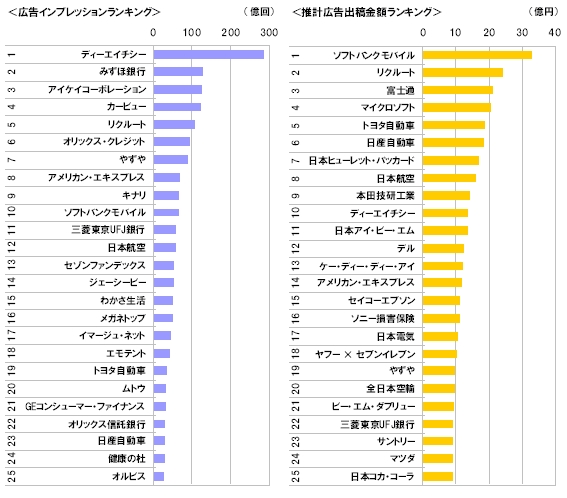
(2008年1月~12月の累計)
日本でもiPhoneは売れてないわけではないのですが、海外でのヒットと比べると人気は今ひとつです。
その折に、『どうして、日本人はiPhoneが嫌いなのか?』という海外コラムが掲載されたのですが、「あまり売れないので0円にしたけれどやっぱり売れていない」「日本人がiPhoneをどう見ているか」「日本人の携帯電話のあり方」といった内容です。
Why the Japanese Hate the iPhone | Gadget Lab from Wired.com
海外サイト
欧米人たちのコメントを一部抜粋してご紹介します。
・アップル信者は日本に復讐だ。
・でも多くのアップル信者は日本製品のファンだぜ。
・理由はスティーブ・ジョブズのRDFが太平洋を越えられないからだ。アップルのゴミに傾倒していないだけだろう。
・日本人はゴミじゃなくて良い製品が好きだからだ。
・日本は発明に感心はしているが、市場に感心していない。
・日本の携帯はすでにiPhoneより2倍はいいのだろう。
・興味があるんだが、日本ではMacはどれくらいの人気?
・日本人が気にすることは1つだけだ。スペック表の長さだ。奴らの携帯はいろんなものがところ狭しと詰まっていて趣味は悪い。特にユーザーインターフェースはひどい。
・ひどいインターフェースでもパナソニックP905iを選ぶな。
・先週日本から帰ってきたところだが、携帯はかなりスタイリッシュだったぞ、UIもアメリカの普通のよりは優れていた。ただあまりなかったのはPDAスタイルの携帯が少ないことかな。日本のブランドは細いんだよ。
・料金プランに問題があるんじゃない?それは日本に関係ないような。
・ソニーか任天堂が作っていないからだ。
・iPhoneは日本人の小さな手には大きすぎるんだよ。
・嫌いは言い過ぎだろう。そんなこと言うならXboxも嫌ってるだろう。
・日本に行って無料のをもらうほうが安いのか。
・良く分かっているアメリカ人が持っていないのと同じ理由だよ。特に他のより良いというわけじゃないのに、他のよりも高い。
・iPhoneには触手とか2次元のエロ要素が無いからじゃないか?
・彼らの携帯はもうすでにSexロボットのような振る舞いをするんだ。それを超えてみろiPhone。
・きっとiPhoneじゃスカートの中の質のいい写真は撮れないからだ。
・日本じゃPCより携帯を持つほうが重要なんだよ。日本の最悪の無料のやつでも、こっちのトップレベルさ。
・2年くらい前に日本で、俺の携帯が音楽が聴けたり写真が撮れると興奮していたら、俺の携帯をかわいいと言った彼女の携帯では、電車のチケットを払ったり、時刻表を見たり、冬季オリンピックのハイライトを見たり、場所を確認したりしていた…。
・iPhoneのデザインは俺もそれほどいいと思っていないが、とりあえず日本人にとってファッショナブルなデザインとは何だろうとは思う。
・日本人はとにかくアメリカにあふれているゴミのようなものにはアレルギーがあるんだよ。
・だいたいこっちで新しいものは、日本では古い…。
・興味深いな。だけど日本の携帯がそんな進んでいるなら、どうしてこっちで売られていないんだ?
・俺らはバカがいっぱいいるんだよ。買わなければ無料になったってことだろう。
・きっと大きすぎるんだよ。首にかけられないからだよ。
・やっぱり巨大なロボットに変形して、パワーレンジャーに変えてくれないからじゃないかな。
・日本に住んでてiPhoneを持っているけど、人気がないのは真実で、誰も持っている人を見たことがない。でも多くの人がiPod Touchを持ってる。思っているより特に欧米の物を嫌ってるわけではないな。単にいいものが好きなだけだ。
・去年の春日本に行ったんだ。安い携帯を借りたんだけど、5年位前の古いやつだったのに、カメラやいろんな機能が付いてた。
・アップルのファンではないが、普通にアップルのシンプルさをありがたく使っている。MacもiPod Touchも。でもiPhoneは意味わからん。
Why the Japanese Hate the iPhone | Gadget Lab from Wired.comより
元となったコラムの内容は、ガラパゴスとまで呼ばれる日本の囲い込みされた携帯市場を、今ひとつ把握できていない感じです。
むしろ日本市場の不思議さを増幅させているのか
>これ非常に面白いですね。
>http://labaq.com/archives/51174064.html
■MEMO
緊急用のお金を1000ドル(約10万円)作っておく。
支出計画を立てよ。
クレジットカードの借金・リボ払いの残高を払う。
家、結婚、車などのためにお金を貯めておく。
ダイレクトメールは配信停止せよ。
銀行口座を最適化(例:1行に取引をまとめるなど)せよ。
投資口座を開設せよ。
各種の契約をより良いもの・安いものに見直せ。
(例:携帯電話、プロバイダ)
図書館や参考書で 勉強して、自分自身を磨け。
緊急用のお金を1000ドル(約10万円)作っておく。
支出計画を立てよ。
クレジットカードの借金・リボ払いの残高を払う。
家、結婚、車などのためにお金を貯めておく。
ダイレクトメールは配信停止せよ。
銀行口座を最適化(例:1行に取引をまとめるなど)せよ。
投資口座を開設せよ。
各種の契約をより良いもの・安いものに見直せ。
(例:携帯電話、プロバイダ)
図書館や参考書で 勉強して、自分自身を磨け。
http://www.fon.com/jp/
最近、仕事もそうだが、iphoneを所有してから特に無線LANスポットをさがすことがよくある。
そんななか、今日はFONという無線LAN共有サービスを引き寄せた。これは、本当の意味で理想的であると感じています。まず、FONERAを購入したので、これから日本のどこでもアクセスポイントがGETできる。
ほんと、通信業者は何をやってんだか、、、勝手に自由に儲けて、、いいね。馬鹿らしい。
最近、仕事もそうだが、iphoneを所有してから特に無線LANスポットをさがすことがよくある。
そんななか、今日はFONという無線LAN共有サービスを引き寄せた。これは、本当の意味で理想的であると感じています。まず、FONERAを購入したので、これから日本のどこでもアクセスポイントがGETできる。
ほんと、通信業者は何をやってんだか、、、勝手に自由に儲けて、、いいね。馬鹿らしい。
■2008年第4四半期における世界サーバー市場
メーカー別工場出荷時売上高
メーカー別工場出荷時売上高
(単位:100万ドル) 2008年Q4 2007年Q4 成長率
売上高 市場シェア 売上高 市場シェア
1. IBM $4,895 36.3% $5,757 36.7% -15.0%
2. Hewlett-Packard $3,914 29.0% $4,355 27.8% -10.1%
3. Dell $1,424 10.6% $1,580 10.1% -9.9%
4. Sun $1,252 9.3% $1,458 9.3% -14.1%
5. 富士通/FSC $567 4.2% $666 4.3% -14.9%
その他 $1,422 10.6% $1,858 11.9% -23.5%
合計 $13,475 100.0% $15,674 100.0% -14.0%
-------- 出典:IDC,2009年2月
売上高 市場シェア 売上高 市場シェア
1. IBM $4,895 36.3% $5,757 36.7% -15.0%
2. Hewlett-Packard $3,914 29.0% $4,355 27.8% -10.1%
3. Dell $1,424 10.6% $1,580 10.1% -9.9%
4. Sun $1,252 9.3% $1,458 9.3% -14.1%
5. 富士通/FSC $567 4.2% $666 4.3% -14.9%
その他 $1,422 10.6% $1,858 11.9% -23.5%
合計 $13,475 100.0% $15,674 100.0% -14.0%
-------- 出典:IDC,2009年2月
1) スーパーマリオカート[任天堂]2) テトリス[開発は1980年代、ロシア人のアレクセイ・パジトノフ氏]
3) グランド・セフト・オート[米DMAなど開発]
4) スーパーマリオワールド[任天堂]
5) ゼルダの伝説 時のオカリナ[任天堂]
6) ヘイロー(Halo)[米Microsoft社]
7) バイオハザード4[カプコン]
8) ファイナルファンタジーXII[スクウェア・エニックス]
9) ストリートファイターII[カプコン]
10) ゴールデンアイ 007[1997年に発売されたNINTENDO64版向けゲ0ムで、出荷本数が全世界合計で800万本以上という驚異的なセールスを記録した。]
 1.5点
1.5点 1.5点
1.5点 1.5点
1.5点 1.25点
1.25点 2.75点
2.75点 3.95点
3.95点 4.75点
4.75点 4.95点
4.95点 4.95点
4.95点 5.5点
5.5点 8点
8点 28点
28点リスト管理術 是非おためしを
1.まずリストにあげた「やること」すべてに目を通します(何にもまだ手をつけないように)。
2.もう一度ゆっくりと目を通します。するとリストの中で気になる項目があるはずです。
3.その項目を実行します(やりたくなくなるまで)。
4.その項目に取りかかるのをやめた時点で、一旦その項目に棒線をひきます。まだ終わっていなかったら、リストの最後にもう一度書くように。
5.この方法で、1ページ進めます。最後の行まで書き終わるまで、次のページに進まないように。
6.1ぺージ埋まったら次のページに進み、同じことを繰り返します。
7.1ぺ−ジ書き終わったあとに項目を見直し、やる気が出ない、ピンとこない内容があったら、その内容は次のページには入れず、蛍光ペンで印をつけておきましょう。ただし、入れないことを決める前に「なぜ入れないことにするのか(まだタイミングが早すぎる、目標達成にはそこまで関係ないなど)」をしっかり検討し、納得してください。蛍光ペンで印をつけることで、後で見直す時に役立ちます。
8.見開きのページがほぼ埋まったら、次のページを開き、同じ作業を繰り返します。
Quick Start
~~~~~~~~~~~~~~~~~~~~~~~~~~~~~~~~~~~~~~~~~~~~~~~~
The system consists of one long list of everything that you have to do, written in a ruled notebook (25-35 lines to a page ideal). As you think of new items, add them to the end of the list. You work through the list one page at a time in the following manner:
1.まずリストにあげた「やること」すべてに目を通します(何にもまだ手をつけないように)。
2.もう一度ゆっくりと目を通します。するとリストの中で気になる項目があるはずです。
3.その項目を実行します(やりたくなくなるまで)。
4.その項目に取りかかるのをやめた時点で、一旦その項目に棒線をひきます。まだ終わっていなかったら、リストの最後にもう一度書くように。
5.この方法で、1ページ進めます。最後の行まで書き終わるまで、次のページに進まないように。
6.1ぺージ埋まったら次のページに進み、同じことを繰り返します。
7.1ぺ−ジ書き終わったあとに項目を見直し、やる気が出ない、ピンとこない内容があったら、その内容は次のページには入れず、蛍光ペンで印をつけておきましょう。ただし、入れないことを決める前に「なぜ入れないことにするのか(まだタイミングが早すぎる、目標達成にはそこまで関係ないなど)」をしっかり検討し、納得してください。蛍光ペンで印をつけることで、後で見直す時に役立ちます。
8.見開きのページがほぼ埋まったら、次のページを開き、同じ作業を繰り返します。
Quick Start
~~~~~~~~~~~~~~~~~~~~~~~~~~~~~~~~~~~~~~~~~~~~~~~~
The system consists of one long list of everything that you have to do, written in a ruled notebook (25-35 lines to a page ideal). As you think of new items, add them to the end of the list. You work through the list one page at a time in the following manner:
- Read quickly through all the items on the page without taking action on any of them.
- Go through the page more slowly looking at the items in order until one stands out for you.
- Work on that item for as long as you feel like doing so
- Cross the item off the list, and re-enter it at the end of the list if you haven’t finished it
- Continue going round the same page in the same way. Don’t move onto the next page until you complete a pass of the page without any item standing out
- Move onto the next page and repeat the process
- If you go to a page and no item stands out for you on your first pass through it, then all the outstanding items on that page are dismissed without re-entering them. (N.B. This does not apply to the final page, on which you are still writing items). Use a highlighter to mark dismissed items.
- Once you’ve finished with the final page, re-start at the first page that is still active.
Each of these steps is explained in more detail below, but I suggest you get going now and read the rest of the instructions later. Don’t forget to put “Read the rest of the instructions” as one of your tasks. You don’t need a huge number of tasks to start with, just add tasks as you think of them or they come up.
Full Instructions
~~~~~~~~~~~~~~~~~~~~~~~~~~~~~~~~~~~~~~~~~~~~~~~~
As you think of new items, add them to the end of the list.
One of the characteristics of this system is that you can chuck anything at it. I recommend that you enter everything that comes to mind without trying to evaluate. The system itself will do the evaluation.
Read quickly through all the items on the page without taking action on any of them.
A quick read through the page allows your mind to start processing the items without pressure.
Go through the page more slowly looking at the items in order until one stands out for you.
This is the heart of the system. Don’t try to prioritise items mentally - this will interfere with the balance between the rational and intuitive parts of your mind. Instead wait for a feeling of release about an item. It’s hard to describe but easy to recognise. You just feel that the item is ready to be done. If you go on down the page, you may find that you feel drawn back to that item. Once you get that feeling about a task all resistance to doing the task vanishes, and it becomes easy to do.
Work on that item for as long as you feel like doing so
Don’t force yourself to continue working on the item for longer than you feel right doing so. This system encourages a “little and often” approach. Once you feel you’ve done enough, stop.
Cross the item off the list, and re-enter it at the end of the list if you haven’t finished it
Actually it’s better to re-enter it first and then cross the item off because then you are less likely to lose your place, but I have to admit I’m not very good at remembering to do it in that order. Re-entry of items is an essential part of the system. You should re-enter everything which is done on a recurring basis (e.g. e-mail, paper, exercise), everything you are still working on (e.g. draft article or report), everything which needs follow up (e.g. Mike replied to email yet?), and extended tasks like reading a book, magazine or journal. You may also need to enter next steps or follow-up items. I find that about half to two-thirds of my tasks require re-entry in one form or another.
Continue going round the same page in the same way. Don’t move onto the next page until you complete a pass of the page without any item standing out
Treating each page as a unit allows you to get the benefit of “structured procrastination”, which is based on the fact that procrastination is relative. In other words any task becomes easy if it is a choice between doing it or another harder task.
Move onto the next page and repeat the process
You may find that you pass through a page very quickly or spend a considerable time working your way round it. Either way is fine - just let the “standing out” method guide you.
If you go to a page and no item stands out for you on your first pass through it, then all the outstanding items on that page are dismissed without re-entering them. Use your highlighter to mark dismissed items.
This is where the system finally gets rid of all the items which you entered without evaluation, but which the system has sifted and found wanting. This may happen very quickly (for instance if you have entered a long list of books you are thinking of reading), but more usually quite slowly.
Please take the rule not to re-enter these items seriously. It doesn’t mean you can never re-enter them, but you should let some time pass before you do and consider carefully why they were rejected, whether they really need to be done at all, whether the time is ripe for them to be done, whether they distract from your main goals, and any other factors. When you do re-enter a dismissed item, it is often best to break it down or re-phrase it in some way.
Highlighting rejected items helps you to review them easily.
Remember that this rule does not apply to the page on which you are still writing items (i.e. the last page).
Once you’ve finished with the last page, re-start at the first page that is still active.
I mark pages that are no longer active with a cross at the top outside corner of the page, and put a circle round the cross when there are no active pages before that page. That makes it easy to find the first active page. You may find the number of active pages varies considerably from time to time. At the time of writing I have nine, but it’s varied from three or four up to fifteen.
This system can be quite addictive (at least that’s what I’ve found) so you may find it a good idea to set strict working hours. Stop dead when the time is up, and start again at the same place when it’s time to start again. I admit I am not very good at following this advice myself!
素人で2ヶ月製作! これだけでNEWSとなります。
●「不況を逆手」「巣ごもり」「差別化」がキーワード
大赤字の決算続きだ。6日もトヨタ自動車が、09年3月期の営業赤字を1500億円から4500億円に下方修正。電子部品大手のロームも115億円の最終赤字に転落する見通しを明らかにした。
日本企業の多くは、どん底の業績悪化にあえぐが、不況を逆手にとって好業績を達成する企業もある。新光総合研究所の調べによると、09年3月期決算で過去最高の経常利益を達成する会社が東証1部だけで64社あるという(別表)。世界恐慌とも騒がれ出したこのご時世に、最高益を出す秘訣とはなんなのか。
新光総研・投資分析部クオンツ情報課の山本光孝氏はこう分析する。
「東京ディズニーリゾートを運営するオリエンタルランドや、資格の学校を展開するTACのように内需型で、しかも差別化を徹底している会社が好調です。昭和産業や日東富士製粉など食料品の原料を扱う企業が並んでいますが、これは値上げしても需要が落ちなかった効果が大きい」
増益率トップの片倉チッカリン(肥料関連)も値上げ効果で最高益だ。肥料の値上げを前にした駆け込み需要が、売上高を急増させた。
2月期決算企業を見てもファミリーマートやローソン、靴販売のABCマートが過去最高の経常利益を予想する。そのほか100円マックが成功した日本マクドナルド、ヒートテックが売れたユニクロ(ファーストリテイリング)、Wii人気の任天堂も好調だ。任天堂向け部品を扱うメガチップスは最高益となる。
「マックやユニクロに代表される『低価格で値ごろ感のある商品』を売る会社が儲かっています。もうひとつのキーワードは『巣ごもり』です。自宅から出ないので任天堂のゲームが人気だし、ネット通販を扱うヤフーの業績がいい。ちょっとした買い物は近所で済ますからコンビニも好調なわけです」(流通関係者)
自動車や家電、百貨店など全滅危機が叫ばれる業種は、最高益企業を見習った方がいい。大不況を乗り切る知恵が、きっと見つかる。
【過去最高益を見込む企業(09年3月期)】
◇社名/主な事業/予想経常増益率
◆片倉チッカリン/肥料関連/223.3%
◆昭和産業/小麦粉製造/95.4%
◆カカクコム/比較サイト「価格コム」/74.1%
◆ホシデン/携帯電話マイク部品/60.9%
◆トリドール/外食チェーン(焼き鳥)58.7%
◆メガチップス/電子部品/48.3%
◆矢作建設工業/建設(名古屋)/48.0%
◆極洋/水産品/44.3%
◆田辺三菱製薬/医薬品/36.9%
◆オリエンタルランド/東京ディズニーリゾート/30.6%
◆三井物産/総合商社/29.4%
◆ハマキョウレックス/運送/27.8%
◆協和発酵キリン/医薬品/23.7%
◆蝶理/繊維商社/22.8%
◆三菱化工機/機械/21.8%
◆カプコン/家庭用ゲームソフト/20.6%
◆シンプレクス・テクノロジー/金融向けシステム/20.5%
◆イチネンホールディングス/リース/20.2%
◆ケーズホールディングス/家電量販店/15.8%
◆ユニ・チャームペットケア/ペット用品/15.7%
◆ディー・エヌ・エー/携帯向けゲーム/13.9%
◆黒田電気/電子部品/13.8%
◆テクノメディカ/採血管準備装置/13.6%
◆江守商事/電子部品/12.9%
◆ソネット・エムスリー/医療サイト運営/12.5%
◆中山福/キッチン用品卸/11.5%
◆日本M&Aセンター/M&A仲介/11.0%
◆丸紅/総合商社/11.0%
◆TAC/「資格の学校」/10.4%
◆ゼビオ/スポーツ専門小売り/10.1%
◆栄研化学/医薬品/9.2%
◆総合メディカル/調剤薬局/8.7%
◆能美防災/防災システム/8.7%
◆オービック/情報システム/8.7%
◆ヤフー/検索サイト/8.2%
◆科研製薬/医薬品/8.0%
◆KDDI/情報通信/7.9%
◆アルファシステムズ/通信会社向けソフト/7.8%
◆NTTデータ/情報通信/7.1%
◆JFE商事ホールディングス/鉄鋼商社/7.0%
◆信越化学工業/化学肥料/6.7%
◆日立情報システムズ/情報サービス/6.6%
◆ラサ商事/資源・食糧商社/6.2%
◆東洋水産/加工食品/6.1%
◆東急コミュニティー/マンション管理/6.0%
◆ユニマットライフ/オフィス向けコーヒー/5.9%
◆バロー/食品スーパー(中部)/5.2%
◆中国塗料/塗料関連/4.8%
◆ソーダニッカ/化学品専門商社/4.6%
◆山九/運送/4.4%
◆栗田工業/総合水処理/3.4%
◆オーエム製作所/工作機械/2.9%
◆ホギメディカル/医療用品(手術着)/2.8%
◆ホクト/ブナシメジ生産/2.5%
◆ヤオコー/食品スーパー(埼玉)/2.5%
◆兼松エレクトロニクス/情報システム/2.1%
◆住友商事/総合商社/2.0%
◆パナソニック電工インフォメーションシステムズ/情報システム/2.0%
◆サカイ引越センター/運送/1.9%
◆NECネッツエスアイ/通信関連工事/1.7%
◆ソネットエンタテインメント/ネット接続「ソネット」/1.3%
◆日東富士製粉/製粉/0.8%
◆アサックス/不動産担保ローン/0.5%
◆空港施設/不動産賃貸/0.5%
(新光総合研究所調べ、2月5日時点)
(日刊ゲンダイ2009年2月7日掲載)
大赤字の決算続きだ。6日もトヨタ自動車が、09年3月期の営業赤字を1500億円から4500億円に下方修正。電子部品大手のロームも115億円の最終赤字に転落する見通しを明らかにした。
日本企業の多くは、どん底の業績悪化にあえぐが、不況を逆手にとって好業績を達成する企業もある。新光総合研究所の調べによると、09年3月期決算で過去最高の経常利益を達成する会社が東証1部だけで64社あるという(別表)。世界恐慌とも騒がれ出したこのご時世に、最高益を出す秘訣とはなんなのか。
新光総研・投資分析部クオンツ情報課の山本光孝氏はこう分析する。
「東京ディズニーリゾートを運営するオリエンタルランドや、資格の学校を展開するTACのように内需型で、しかも差別化を徹底している会社が好調です。昭和産業や日東富士製粉など食料品の原料を扱う企業が並んでいますが、これは値上げしても需要が落ちなかった効果が大きい」
増益率トップの片倉チッカリン(肥料関連)も値上げ効果で最高益だ。肥料の値上げを前にした駆け込み需要が、売上高を急増させた。
2月期決算企業を見てもファミリーマートやローソン、靴販売のABCマートが過去最高の経常利益を予想する。そのほか100円マックが成功した日本マクドナルド、ヒートテックが売れたユニクロ(ファーストリテイリング)、Wii人気の任天堂も好調だ。任天堂向け部品を扱うメガチップスは最高益となる。
「マックやユニクロに代表される『低価格で値ごろ感のある商品』を売る会社が儲かっています。もうひとつのキーワードは『巣ごもり』です。自宅から出ないので任天堂のゲームが人気だし、ネット通販を扱うヤフーの業績がいい。ちょっとした買い物は近所で済ますからコンビニも好調なわけです」(流通関係者)
自動車や家電、百貨店など全滅危機が叫ばれる業種は、最高益企業を見習った方がいい。大不況を乗り切る知恵が、きっと見つかる。
【過去最高益を見込む企業(09年3月期)】
◇社名/主な事業/予想経常増益率
◆片倉チッカリン/肥料関連/223.3%
◆昭和産業/小麦粉製造/95.4%
◆カカクコム/比較サイト「価格コム」/74.1%
◆ホシデン/携帯電話マイク部品/60.9%
◆トリドール/外食チェーン(焼き鳥)58.7%
◆メガチップス/電子部品/48.3%
◆矢作建設工業/建設(名古屋)/48.0%
◆極洋/水産品/44.3%
◆田辺三菱製薬/医薬品/36.9%
◆オリエンタルランド/東京ディズニーリゾート/30.6%
◆三井物産/総合商社/29.4%
◆ハマキョウレックス/運送/27.8%
◆協和発酵キリン/医薬品/23.7%
◆蝶理/繊維商社/22.8%
◆三菱化工機/機械/21.8%
◆カプコン/家庭用ゲームソフト/20.6%
◆シンプレクス・テクノロジー/金融向けシステム/20.5%
◆イチネンホールディングス/リース/20.2%
◆ケーズホールディングス/家電量販店/15.8%
◆ユニ・チャームペットケア/ペット用品/15.7%
◆ディー・エヌ・エー/携帯向けゲーム/13.9%
◆黒田電気/電子部品/13.8%
◆テクノメディカ/採血管準備装置/13.6%
◆江守商事/電子部品/12.9%
◆ソネット・エムスリー/医療サイト運営/12.5%
◆中山福/キッチン用品卸/11.5%
◆日本M&Aセンター/M&A仲介/11.0%
◆丸紅/総合商社/11.0%
◆TAC/「資格の学校」/10.4%
◆ゼビオ/スポーツ専門小売り/10.1%
◆栄研化学/医薬品/9.2%
◆総合メディカル/調剤薬局/8.7%
◆能美防災/防災システム/8.7%
◆オービック/情報システム/8.7%
◆ヤフー/検索サイト/8.2%
◆科研製薬/医薬品/8.0%
◆KDDI/情報通信/7.9%
◆アルファシステムズ/通信会社向けソフト/7.8%
◆NTTデータ/情報通信/7.1%
◆JFE商事ホールディングス/鉄鋼商社/7.0%
◆信越化学工業/化学肥料/6.7%
◆日立情報システムズ/情報サービス/6.6%
◆ラサ商事/資源・食糧商社/6.2%
◆東洋水産/加工食品/6.1%
◆東急コミュニティー/マンション管理/6.0%
◆ユニマットライフ/オフィス向けコーヒー/5.9%
◆バロー/食品スーパー(中部)/5.2%
◆中国塗料/塗料関連/4.8%
◆ソーダニッカ/化学品専門商社/4.6%
◆山九/運送/4.4%
◆栗田工業/総合水処理/3.4%
◆オーエム製作所/工作機械/2.9%
◆ホギメディカル/医療用品(手術着)/2.8%
◆ホクト/ブナシメジ生産/2.5%
◆ヤオコー/食品スーパー(埼玉)/2.5%
◆兼松エレクトロニクス/情報システム/2.1%
◆住友商事/総合商社/2.0%
◆パナソニック電工インフォメーションシステムズ/情報システム/2.0%
◆サカイ引越センター/運送/1.9%
◆NECネッツエスアイ/通信関連工事/1.7%
◆ソネットエンタテインメント/ネット接続「ソネット」/1.3%
◆日東富士製粉/製粉/0.8%
◆アサックス/不動産担保ローン/0.5%
◆空港施設/不動産賃貸/0.5%
(新光総合研究所調べ、2月5日時点)
(日刊ゲンダイ2009年2月7日掲載)